Why Upgrading to LED headlight & Finding the Best Bi‑LED Projector Transforms Your Night Driving
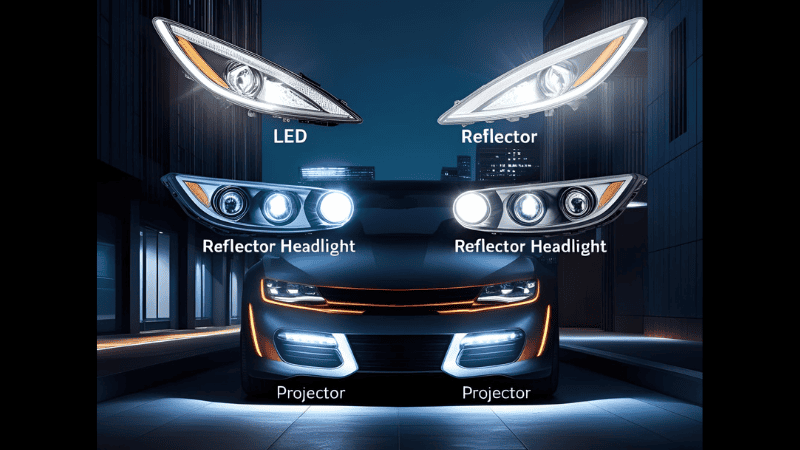
There was a time I didn’t pay much attention to headlights—they were just supposed to work. But after swapping out my car’s halogen bulbs for modern LED headlight, night driving changed. The road looked cleaner, visibility improved, and even long hours behind the wheel felt less taxing. Then I discovered bi‑LED projector systems—the kind that switches between low and high beams from a single LED source—and it’s a game-changer.
This article explains why upgrading your lighting setup matters, what makes a bi‑LED projector the top choice today, and how to choose the best option for your vehicle.
What Makes LED headlight Better Than Halogen
LED technology is more than just about brightness—it delivers clarity, consistency, and longevity. Whether you’re simply swapping bulbs or going all-in with the best bi LED projector, the difference is immediately noticeable.
- Sharper vision at night. LED headlight provide a crisp white beam that reveals road features with greater contrast. Textures, signs, animals—suddenly they pop into view earlier.
- Instant-on performance. LEDs light up without delay, unlike HID systems that can take seconds.
- Longer lifespan. Brands often rate LED bulbs for 30,000 to 50,000 hours. That’s years of use without replacement.
- Stable power usage. These system puts minimal load on your car’s electrical system, helping preserve battery life.
Drivers who switch to LED headlight often comment that tasks like merging, lane changing, or navigating unfamiliar roads become less stressful—because they simply see more.
Why the Best Bi‑LED Projector Is the Ultimate LED Upgrade
So what exactly is a bi‑LED projector? Think of it as two beams built into one: low and high beam, handled by the same LED source, often operating via a shutter mechanism. It gives you control and precision without multiple bulbs.
Key Advantages:
- Dual functionality from a single unit, which simplifies installation and reduces clutter.
- More precise, focused light, thanks to projector optics, meaning less glare for others.
- Cleaner beam cutoff, with tighter light distribution and less scattering—ideal for both city and highway driving.
For many drivers, moving from basic LED bulbs to a best bi‑LED projector setup brings better visibility and improved road manners—in a single upgrade.
How to Spot the Best Bi‑LED Projector for Your Car
Not all projector kits are born equal. Here’s what I always check:
- Compatibility with vehicle. Some projectors fit popular housings; others require retrofitting. Always verify your car’s make/model.
- Brightness level. Look for kits rated around 3,000–5,000 lumens per projector—enough for clear visibility without overwhelming glare.
- Beam control and cutoff sharpness. Top kits offer crisp, well-defined cutoffs that don’t light up headrest reflections or oncoming drivers.
- Cooling system design. Good heat dissipation—either passive sinks or quiet fans—is essential for stability and lifespan.
- Certifications. DOT or ECE certificates help ensure you aren’t installing something illegal or overly aggressive in beam pattern.
- Reviews from real users. Look for feedback mentioning clarity, alignment ease, and real-world performance.
Brands like Morimoto, Aozoom, and Koito often appear in discussions as reliable providers of best bi‑LED projector kits—each offering variants in lumen rating, cooling, and beam style.
Real-World Impressions from LED Plus Projector Drivers
One commuter friend upgraded to bi‑LED projectors before her nightly work shifts and said, “I can now see the road signs earlier, even in foggy conditions. Plus, my headlights don’t glare into rearview mirrors anymore.”
An off-road enthusiast swapped both his headlights for LED and bi‑LED projector systems. His feedback: “Switching beams with just one unit simplifies life—plus, the light feels tighter and smoother on dust-heavy trails.”
These real stories show the difference between just being seen and truly seeing—especially when conditions get tough.
Avoiding Common Pitfalls When Upgrading
Many people dive into LED and projector upgrades but make avoidable errors:
- Skipping beam adjustment. You’ll want to align to avoid blinding others. Do a quick wall test before hitting the road.
- Ignoring compatibility. Some headlights need custom housing or adapters for projectors—don’t assume all kits fit all cars.
- Choosing extreme color temperatures. While 6,500K looks futuristic, it reflects poorly in rain or fog. Stick to 5,500K–6,000K for clarity in varied conditions.
- Buying the cheapest kit available. That may mean poor optics, overheating, or rapid decline. Better to pick trusted brands with real-world reviews.
Installation Notes—What to Expect with a Bi‑LED Projector Upgrade
Installing a bi‑LED projector is slightly more involved than swapping bulbs—but still manageable at home with care:
- Remove the headlight housing (may require basic tools).
- If retrofitting, mount the projector inside and seal properly.
- Secure the LED module and heat sink/fan, ensuring proper alignment.
- Connect wiring—some kits include CANbus decoders.
- Test beams and adjust aim using wall reflection if necessary.
- Reseal the housing to prevent moisture.
Depending on your vehicle, this might take 1–2 hours per side. It’s not needed for DIY vehicle owners to be pros—but a bit of patience pays off with consistent, safe lighting.
Final Thoughts—A Clear Difference You Can See & Feel
Upgrading your car with premium LED headlight and choosing a high‑quality bi‑LED projector makes a real difference in how comfortable and safe nighttime driving feels. It’s not flashy—it’s functional precision: better clarity, longer lifespan, more control, and less strain on your vehicle’s systems.
When you’re ready for an upgrade, focus on the best bi‑LED projector kit your vehicle supports, use high-quality components, and install carefully. The payoff is immediate: safer vision, crisper lighting, and a confident night drive that’s smooth and dependable.