How Round Screens Are Revolutionizing Device Design and Functionality
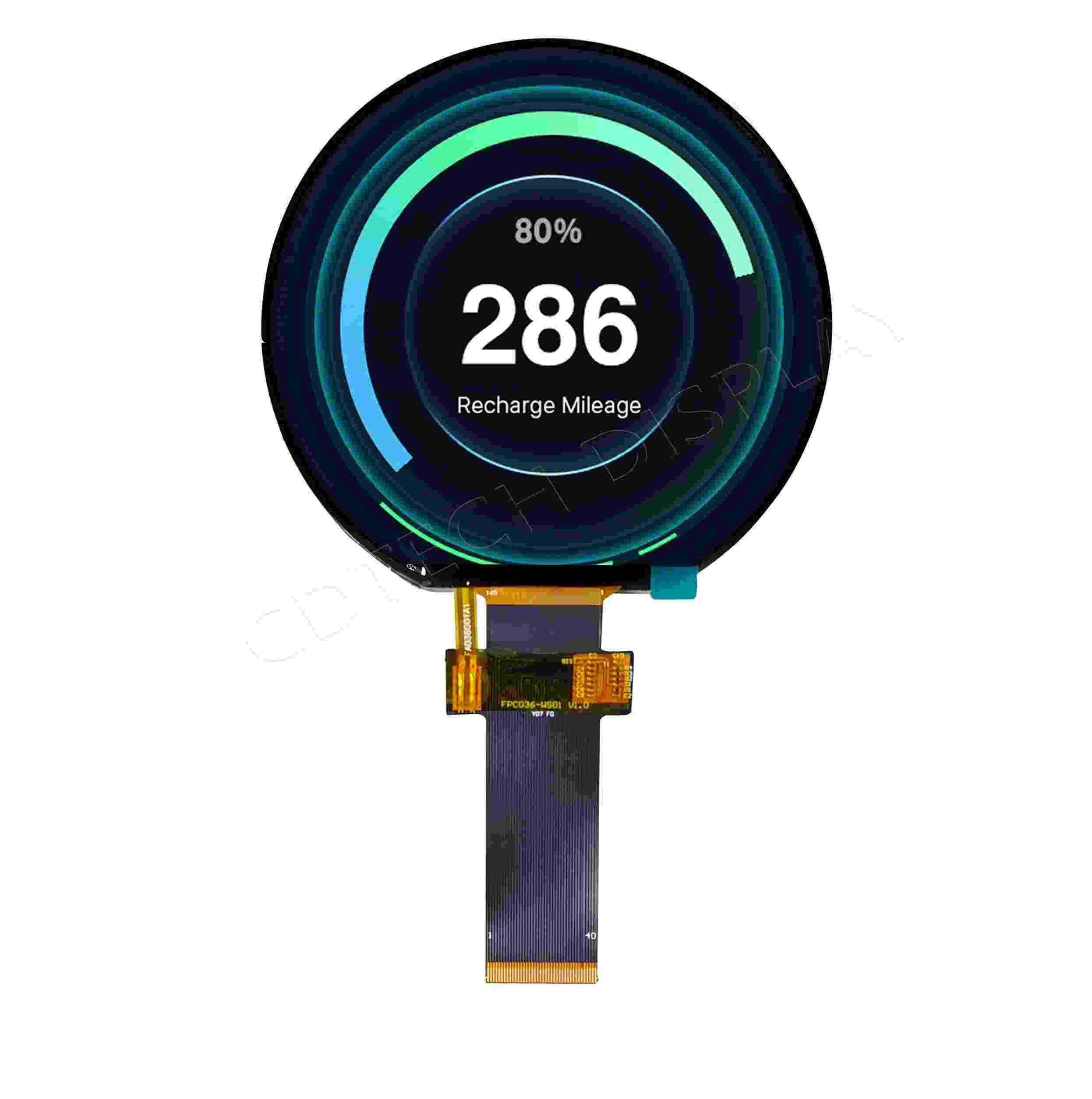
Round screens are transforming the way electronic devices are designed and used. Unlike traditional rectangular screens, round screens provide a circular interface that is ideal for wearable technology, smartwatches, automotive dashboards, and specialized industrial equipment. Their unique shape, combined with advanced display technology, enables manufacturers to create devices that are both visually appealing and highly functional.
What is a Round Screen?
A round screen is a display that is circular rather than rectangular. These screens can utilize TFT, OLED, or monochrome technology depending on the requirements of the device. Round screens maintain high clarity, sharpness, and color accuracy while fitting seamlessly into circular housings, making them perfect for both wearable and specialized devices.
Key Features of Round Screens
Round screens offer several features that make them suitable for modern electronics:
- Circular Design: Fits perfectly into round housings and curved surfaces.
- High Visual Clarity: Maintains sharpness and readability for text and graphics.
- Advanced Display Technology: Available in TFT, OLED, and monochrome types.
- Energy Efficiency: Optimized for low power consumption, especially in wearable and portable devices.
- Durability: Designed to withstand frequent handling and environmental challenges.
Advantages of Using Round Screens
Round screens provide multiple advantages for manufacturers and users:
- Aesthetic Appeal: Enhances the look of wearable and specialized devices.
- Efficient Use of Space: Circular screens maximize usable area in round housings.
- Improved User Experience: Offers clear, readable visuals in a compact form.
- Customizable Options: Available in various sizes, resolutions, and display types.
- Versatility: Suitable for wearables, automotive dashboards, industrial meters, and consumer electronics.
Applications of Round Screens
round screen are utilized across multiple industries:
- Wearable Technology: Smartwatches, fitness trackers, and health monitoring devices.
- Automotive: Circular dashboards, speedometers, and infotainment systems.
- Consumer Electronics: Compact gadgets, clocks, and smart devices.
- Industrial Equipment: Round meters, gauges, and monitoring panels.
- Medical Devices: Specialized diagnostic tools and monitoring systems with circular interfaces.
Types of Round Screens
Manufacturers provide several types of round screens:
- TFT Round Screens: High-resolution, full-color displays suitable for interactive devices.
- OLED Round Screens: Vibrant colors, true blacks, and high contrast for wearables and high-end devices.
- Monochrome Round Screens: Energy-efficient options for numeric or text-based displays.
- Custom Round Modules: Tailored solutions for size, brightness, resolution, and interface requirements.
Choosing the Right Round Screen
When selecting a round screen, consider these factors:
- Display Technology: Decide between TFT, OLED, or monochrome based on the application.
- Size and Resolution: Ensure the screen fits the device housing and provides adequate clarity.
- Power Efficiency: Essential for battery-operated wearables and portable devices.
- Durability: Consider environmental tolerance, including temperature, moisture, and handling.
- Manufacturer Reliability: Work with reputable suppliers to ensure quality and consistency.
Future Trends in Round Screens
Round screens are evolving alongside wearable and industrial technologies:
- Flexible and Curved Designs: Supports innovative and ergonomic device shapes.
- High-Resolution Compact Screens: Sharp visuals even in small circular displays.
- Integration with Smart Devices and IoT: Circular screens are increasingly used in connected devices.
- Energy-Efficient Displays: Advances in low-power technology extend battery life for wearables.
Conclusion
Round screens provide a unique combination of design, functionality, and efficiency, making them ideal for wearable technology, automotive dashboards, industrial meters, and specialized electronics. Their circular form factor allows for innovative designs, efficient space usage, and enhanced user experience. By choosing the right round screen specifications, manufacturers can create visually engaging, energy-efficient, and high-performing devices.
Q & A Related to Round Screens
Q: What is a round screen?
A: A display screen designed in a circular shape, suitable for devices with round housings.
Q: Where are round screens commonly used?
A: Wearable devices, automotive dashboards, industrial meters, consumer electronics, and medical equipment.
Q: What types of round screens are available?
A: TFT, OLED, monochrome, and custom round screen modules.
Q: Why choose a round screen over a rectangular one?
A: Round screens fit circular housings efficiently, offer aesthetic appeal, and enable innovative device designs.