The Evolution of Vinyl Flooring: From Classic Styles to Modern Designs
Introduction
Vinyl flooring has remained one of the most versatile and popular flooring choices in the world for decades. From its humble beginnings in the early 20th century to the innovative, stylish, and durable products available today, the story of vinyl flooring is one of constant evolution and adaptation. Homeowners, businesses, and interior designers have embraced this flooring material because it combines affordability, durability, and visual appeal. What once started as a practical choice has now become a design statement that can rival hardwood, stone, and ceramic tiles in terms of aesthetics. When we look at vinyl flooring prices, it becomes even more apparent why this material continues to capture the market: it provides luxury looks at a fraction of the cost. In this article, we will trace the journey of vinyl flooring from its classic styles to the modern designs we see today and explore how its development reflects broader changes in design, technology, and consumer preferences.
The Early Days of Vinyl Flooring
In the 1930s and 1940s, vinyl flooring emerged as a modern alternative to linoleum, which had been widely used for decades. Linoleum was durable but limited in its style, while vinyl offered smoother finishes, vibrant colors, and better resistance to water and stains. Early vinyl flooring styles leaned heavily on simple patterns and single-color designs, making them a staple in kitchens and bathrooms. At the time, affordability was one of the biggest selling points, and many households opted for vinyl to achieve a clean and modern look without overspending.
The evolution of vinyl flooring in this era was not just about practicality—it also represented post-war optimism and a growing middle class eager to adopt new technologies. Manufacturers started experimenting with new production techniques, giving rise to designs that mimicked other materials like wood or stone. Although the early attempts were rudimentary, they marked the beginning of vinyl flooring as a versatile design solution. Consumers noticed not only its low vinyl flooring prices but also the ease of installation, which made it accessible to average families looking to upgrade their living spaces without hiring expensive contractors. This affordability combined with functionality set the stage for vinyl flooring to become a global success.
The Mid-Century Rise in Popularity
By the 1950s and 1960s, vinyl flooring had become a central part of home design in the United States and beyond. With advances in printing and manufacturing, companies could now create more realistic patterns, including wood grains and geometric motifs that reflected the mid-century modern design aesthetic. Bright colors, playful patterns, and innovative styles made vinyl a fashionable option, not just a budget-friendly one. For families moving into suburban homes during the post-war housing boom, vinyl flooring offered a fresh and stylish alternative that was both durable and affordable.
One of the reasons vinyl flooring thrived during this period was its incredible resilience. It could withstand heavy foot traffic, resist moisture, and maintain its appearance for years. These benefits, paired with competitive vinyl flooring prices, ensured its widespread adoption in both residential and commercial spaces. Kitchens, laundry rooms, hospitals, and schools often used vinyl because of its hygienic properties and ease of cleaning. The popularity of vinyl also coincided with advancements in adhesive technology, making installation quicker and more reliable. This era cemented vinyl flooring’s role as a practical yet fashionable solution for a wide range of interiors.
The Shift Toward Luxury and Innovation
The 1970s and 1980s brought new innovations in vinyl flooring. Manufacturers began producing luxury vinyl tiles (LVT), which offered even greater durability and a more realistic resemblance to natural materials like wood, stone, and ceramic. This was a turning point in the evolution of vinyl flooring because it elevated the material from a budget-friendly choice to a stylish and aspirational one. Consumers could now achieve the look of high-end flooring at a fraction of the cost, all while enjoying the benefits of easy maintenance and long-lasting performance.
This era also introduced technological improvements such as cushioned backings, which made walking on vinyl more comfortable, and protective wear layers, which enhanced resistance to scratches and stains. These features made vinyl flooring suitable not only for kitchens and bathrooms but also for living rooms, hallways, and even office spaces. As competition in the market increased, vinyl flooring prices remained affordable, making it a top choice for families, landlords, and businesses alike. The wide variety of options available during this time showed that vinyl had truly come into its own as a versatile and highly desirable flooring solution.
The Modern Era of Realism and Sustainability
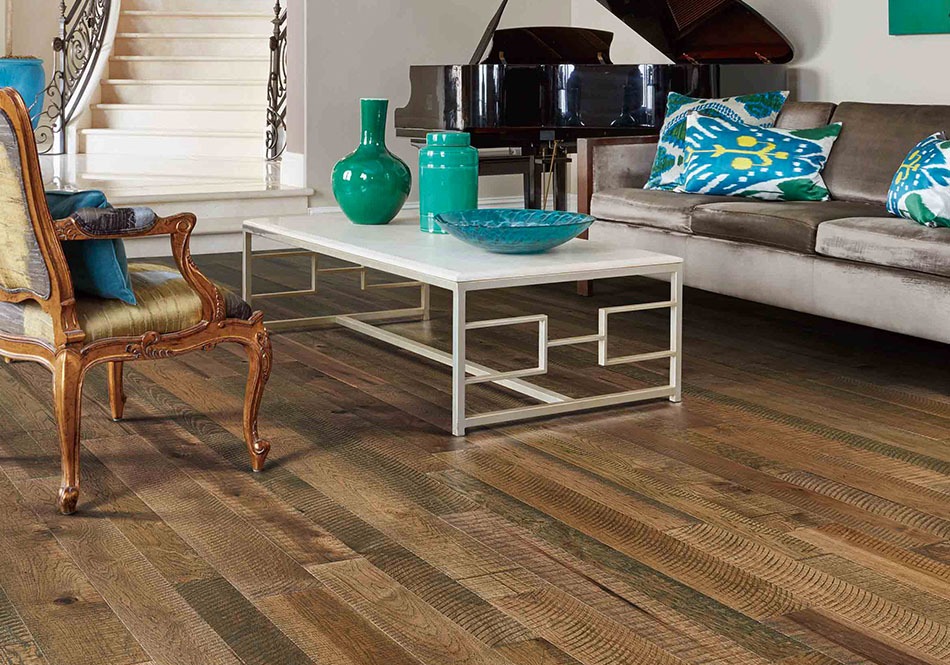
In the 21st century, vinyl flooring has transformed into one of the most advanced flooring solutions on the market. Modern designs utilize cutting-edge printing technologies, 3D texturing, and high-definition imaging to create surfaces that are almost indistinguishable from real hardwood, marble, or ceramic. The realism is so convincing that many homeowners choose vinyl flooring over natural materials, not only for its visual appeal but also for its functional benefits. Today’s vinyl can capture the natural variations in wood grains or the intricate veining in stone with astonishing detail.
Another major development has been the rise of sustainable and eco-friendly vinyl flooring options. Manufacturers are responding to consumer demand for environmentally responsible products by reducing emissions, using recycled materials, and developing low-VOC adhesives. Vinyl flooring has evolved from being seen as a synthetic, less-natural choice to one that can align with eco-conscious lifestyles. At the same time, vinyl flooring prices have remained competitive, ensuring that consumers can enjoy these advanced features without breaking the bank. The combination of style, durability, affordability, and sustainability has positioned vinyl flooring as a leader in modern interior design.
The Versatility of Modern Vinyl Flooring Designs
Today, vinyl flooring is no longer confined to kitchens or bathrooms. With innovations such as luxury vinyl planks (LVP) and luxury vinyl tiles (LVT), it is now found in living rooms, bedrooms, offices, and commercial spaces. Its versatility makes it one of the most adaptable flooring solutions available. Modern vinyl flooring designs can range from rustic wood-look planks to sleek, contemporary tiles that rival stone or concrete. This allows homeowners and designers to achieve virtually any aesthetic vision without the limitations or high costs associated with natural materials.
What makes vinyl flooring especially appealing is its balance of performance and price. Vinyl flooring prices remain lower than those of hardwood, stone, or ceramic, making it an attractive option for budget-conscious homeowners who don’t want to sacrifice style or quality. The durability of modern vinyl means it can withstand heavy use in both residential and commercial environments, while the wide variety of designs ensures that every taste and preference can be met. From classic to contemporary, vinyl flooring has evolved into a material that can meet the demands of modern living while maintaining its reputation as a cost-effective and stylish choice.
Conclusion
The journey of vinyl flooring from its early beginnings to today’s modern designs is a remarkable story of innovation, style, and adaptability. What started as a simple, practical alternative to linoleum has grown into a sophisticated flooring option that can rival the look of hardwood, stone, or ceramic tile. Throughout its evolution, vinyl flooring has proven its ability to adapt to changing consumer preferences, technological advancements, and environmental concerns. The affordability reflected in vinyl flooring prices has consistently been one of its greatest strengths, ensuring its popularity across generations.
As we look toward the future, vinyl flooring will likely continue to evolve with new technologies and eco-friendly innovations, solidifying its place as one of the most practical and stylish flooring options available. Whether chosen for its durability, affordability, or design versatility, vinyl flooring remains a true success story in the world of interior design, demonstrating how a material can adapt and thrive through decades of change.